
Our qualified team of surveyors can assist with all types of damp issues.
Next day appointments available with reports issued in 48 hours.
Our surveys can help you identify the cause of all problems:
The most important step in dealing with suspected damp or timber issues is an independent survey. We have no affiliations with any damp treatment companies.
We understand that discovering damp in your home can be stressful. Our experienced team will identify the source and cause of damp within your property and suggest the best and easiest way any problems found can be resolved.
Use our detailed independent report to confirm if you have any damp issues and, most importantly, ensure any quotes you receive are accurate and appropriate.
You can book your survey online today and choose an appointment that is convenient for you.
Once your survey is booked we will be in touch by email to ask a few questions to better understand your issue and to make sure we are prepared for your survey.
The more information you can give us including any photos the better.
On the day of your survey we will undertake several thorough and detailed checks to see if you property has any damp issues:
Visual inspection: Examine walls for mould, peeling finishes, and damp patches.
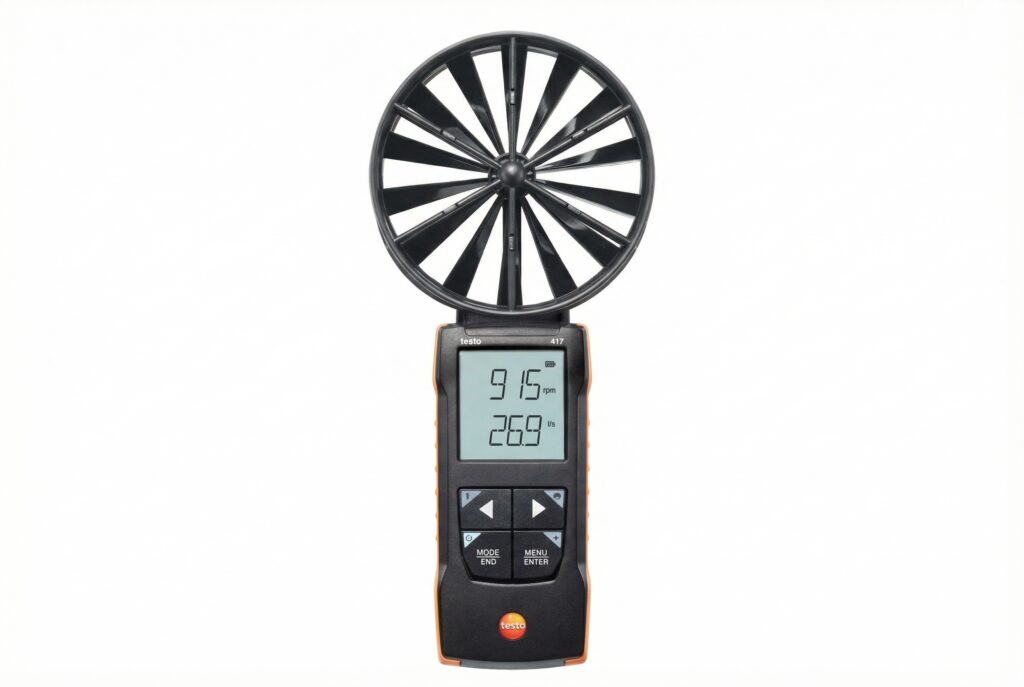
Moisture readings: Measure moisture levels using specialist moisture and airflow meters.
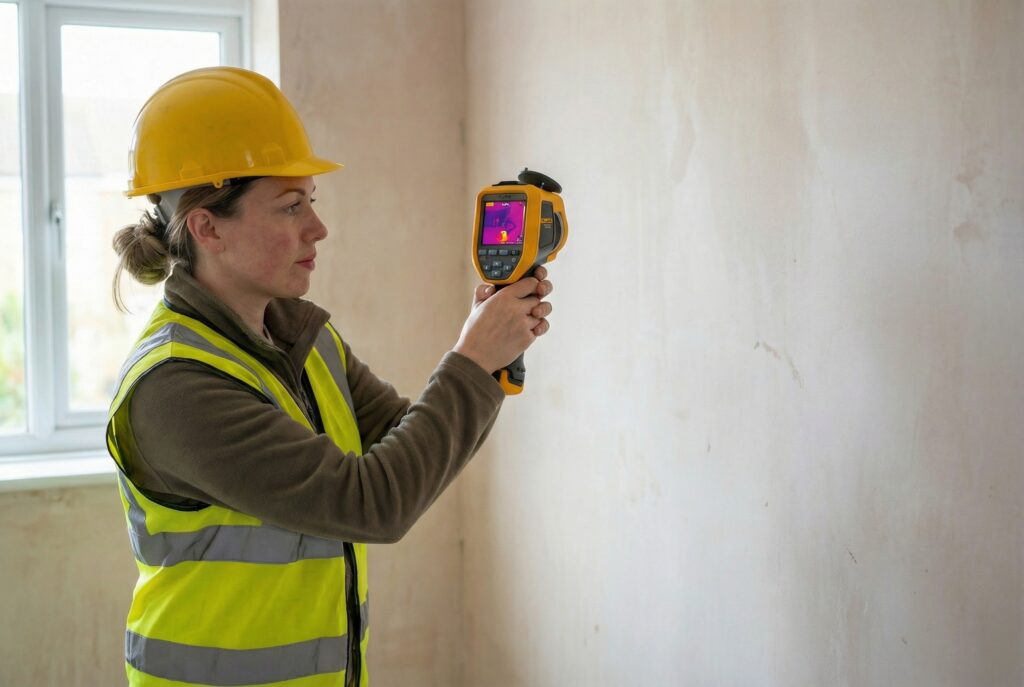
Thermal imaging: Identify hidden damp not visible to the eye.
Building assessment: Review ventilation, damaged structure, leaks, and drainage that may contribute to damp.
Within 24 hours you will typically receive a clear, concise report explaining the type and source of damp, supported by photographs and moisture readings.
Your comprehensive report will identify any affected areas, outline the likely causes, and provide independent, unbiased suggestions on ways to remedy any issues found.




Detailed damp survey of the entire property including a full report.

Timber focused survey to identify woodworm, beetle damage and fungal decay – wet and dry rot.
A complete damp and timber survey of the entire property.
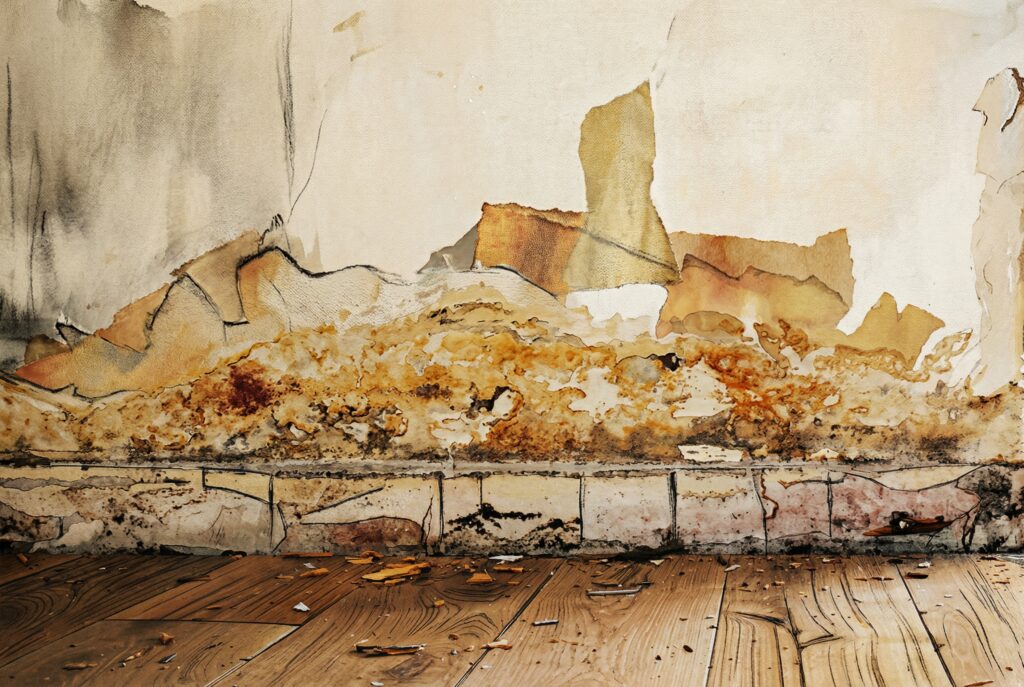
Rising damp occurs when groundwater moves upward through walls and floors by capillary action. The porous nature of brick and mortar allows moisture to travel through fine capillaries in the masonry.
However, true rising damp is relatively uncommon. Moisture problems are often caused by building defects, alterations, condensation, or salt contamination that create similar symptoms.

Condensation is the most common cause of damp, affecting both older and modern homes, particularly renovated properties.
Occuring when humidity, air temperature, and surface temperature reach the dew point, allowing moisture in the air to form on cooler surfaces.
Often mistaken for rising damp because it commonly appears on the lower parts of internal walls.
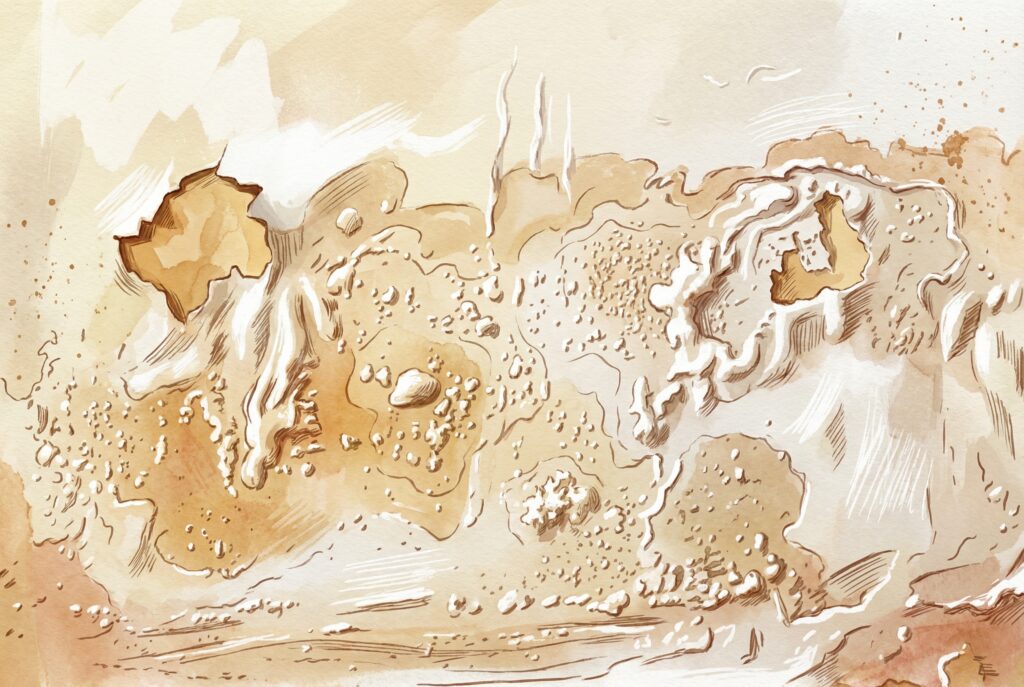
Penetrating damp is moisture entering a building horizontally through the walls. It may not immediately appear indoors, but can still damage brickwork and internal timbers before becoming visible.
It is commonly caused by defects in roofs, gutters, external wall finishes, or windows.
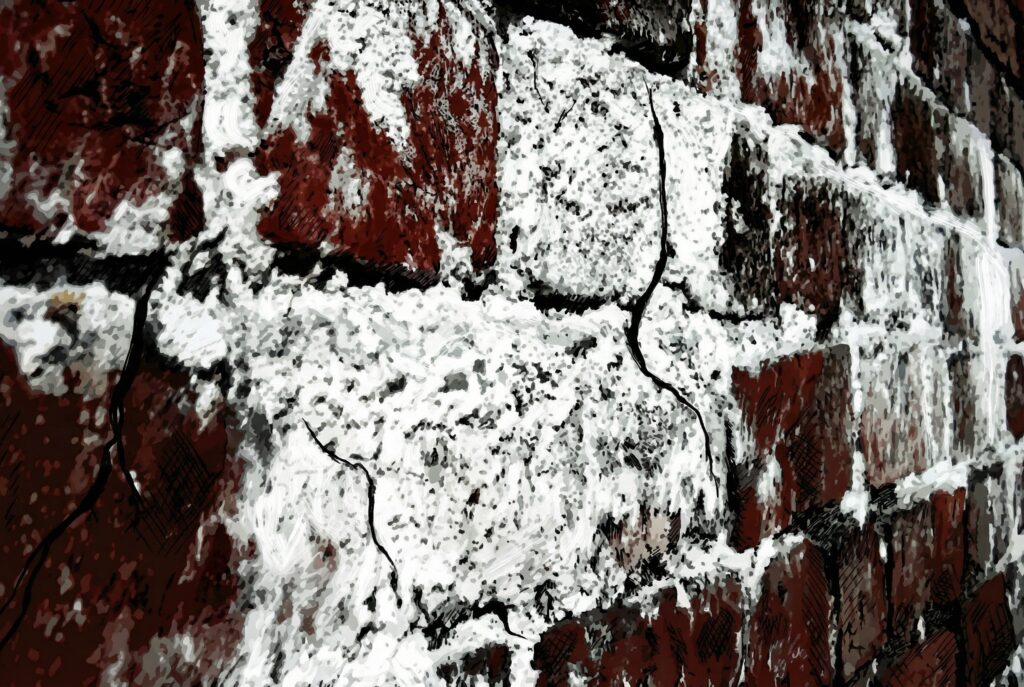
Salt contamination is common in older chimney breasts and is usually caused by burning coal. The fuel contains natural salts that become embedded in the brickwork and, over time, move into the plaster when the fireplace is no longer used.
These salts are hygroscopic, meaning they absorb moisture from the air and create persistent damp patches, often worse in humid conditions. The same effect can occur after rising damp, as ground moisture carries salts into the walls.
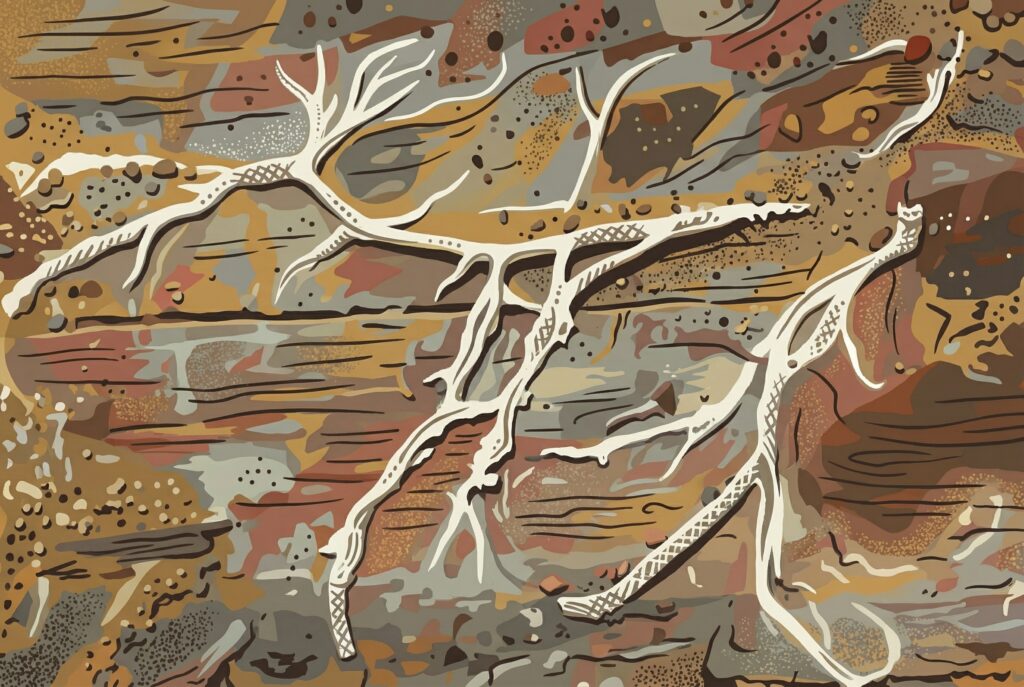
Timber rot is caused by fungi that develop within damp wood and is classed as either wet rot or dry rot.
Wet rot occurs where timber remains persistently wet, often due to leaks or prolonged dampness.
Dry rot is caused by a specific fungus whose airborne spores activate in the presence of moisture and can spread beyond the original damp area through masonry and adjacent timbers.
Rot is typically caused by damp conditions from roof leaks, poor ventilation, plumbing leaks, or other moisture problems.
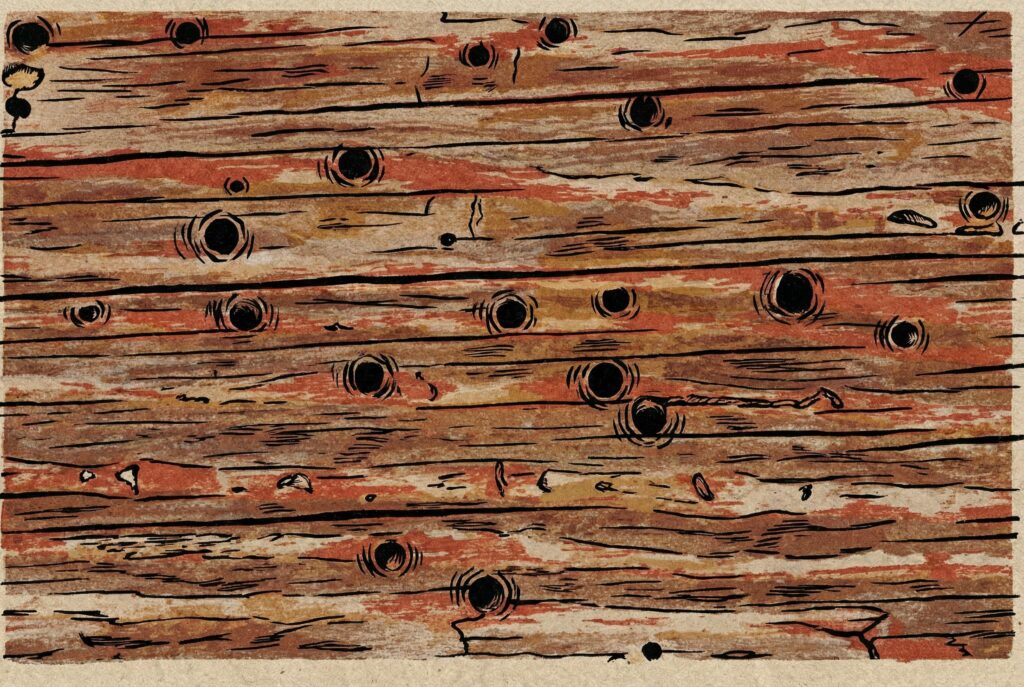
Woodworm refers to the larvae of wood-boring beetles that feed on timber. While adult beetles are harmless, the larvae tunnel through wood, damaging furniture and structural timbers and, if untreated, weakening the property.
Several species are responsible, including the common furniture beetle, deathwatch beetle, and house longhorn beetle, all of which can attack timber in the home.
“Excellent service from start to finish. The surveyor carried out a thorough inspection and explained everything clearly. The report was detailed and helped us identify the real cause of the damp. Highly recommended.”
“We had damp in several rooms and wanted an independent opinion. The survey was completed quickly and the report clearly explained what was needed to be done. Very professional service.”
“After noticing signs of damp and possible woodworm, we booked a survey and were very impressed. The inspection was thorough and the advice was honest and unbiased.”
Fast Damp Surveys operates all across Greater London, Surrey and Sussex.
A survey generally takes between 1-3 hours depending on the size of the property and the extent of damp.
Damp surveys can be undertaken all year round.
We aim to get the damp report to you within 24hrs.
Yes of course, our surveyors will be happy to advise you on any aspect of damp proofing, mould and woodworm.
Yes, this is no problem, you can arrange for a neighbour or Estate Agent to give us access.
All we require is that our surveyor has access to all areas of the property. Please have rooms accesible and loft hatches open. If anything needs moving, we will try to help where possible.
Yes, our surveys can include cellar and basement inspections.
Damp in a property is usually caused by one of three issues: rising damp, penetrating damp, or condensation.
Rising damp occurs when moisture travels up through walls due to a missing or failed damp-proof course. Penetrating damp results from water entering through defects in roofs, walls, or windows, while condensation forms when warm, moist air meets colder surfaces.
Common signs of damp include water stains on walls or ceilings, mould growth, peeling paint or wallpaper, musty odours, and condensation on windows or walls. Identifying these signs early can help prevent more serious damage to the property.
If left untreated, damp can lead to structural damage, deterioration of plaster and finishes, and staining or peeling paint. It can also encourage mould growth, which may contribute to respiratory and other health issues.
Professional advice should be sought as soon as damp is spotted.
Ready to book a survey or have a question? Contact us today, and our friendly team will get back to you as soon as possible.
7 Bell Yard, London WC2A 2JR, UK
0203 143 2335
Chat with us on Whatsapp